 Thermal Technologies
Industry
Blow Moulding
Preform reheat, extrusion head and neck tooling heating for PET and extrusion blow lines.
The reheat oven is a radiant problem, and everything after it is a contact problem.
The process, and where the heat goes in
Read left to right. Each block is a place on the machine that has to be held at a temperature, coloured by how hot it runs.
Scroll the diagram sideways to see every zone.
- Coolest
- Warm
- Hot
- Hottest
Zone by zone
This table is the whole argument for the page. It maps the machine you already have to the element type that suits each position on it, and every product name links to the family page with the sizes, the options and the codes.
| Zone | Duty | Typical temperature | Swiftheat product | Why this element |
|---|---|---|---|---|
| Preform reheat oven | Radiant, line speed dependent | 90 to 120 °C at the wall | Ceramic Infrared Heaters | Radiation reaches the preform wall without heating the tunnel air |
| Extruder barrel | Banded surface, continuous | 160 to 260 °C | Ceramic and Mica Band and Nozzle Heaters | Standard barrel banding for extrusion blow machines |
| Head and die | Zoned, even across the face | 180 to 280 °C | Coil Heaters | Wound to the head, pitch profiled so the parison wall is even |
| Neck and mould tooling | Embedded in metal | 40 to 150 °C | Cartridge Heaters | Bore mounted in the neck tooling, sized to your fit |
| Control loop | Measurement | - | Thermocouples and Temperature Sensors | Fast junctions where the oven is controlled on line speed |
Temperatures are typical for the process and are given as a starting point. Send us the zone temperatures your machine actually runs at and we will work back to a safe loading.
Products for blow moulding
A shortlist, not the whole catalogue.
-
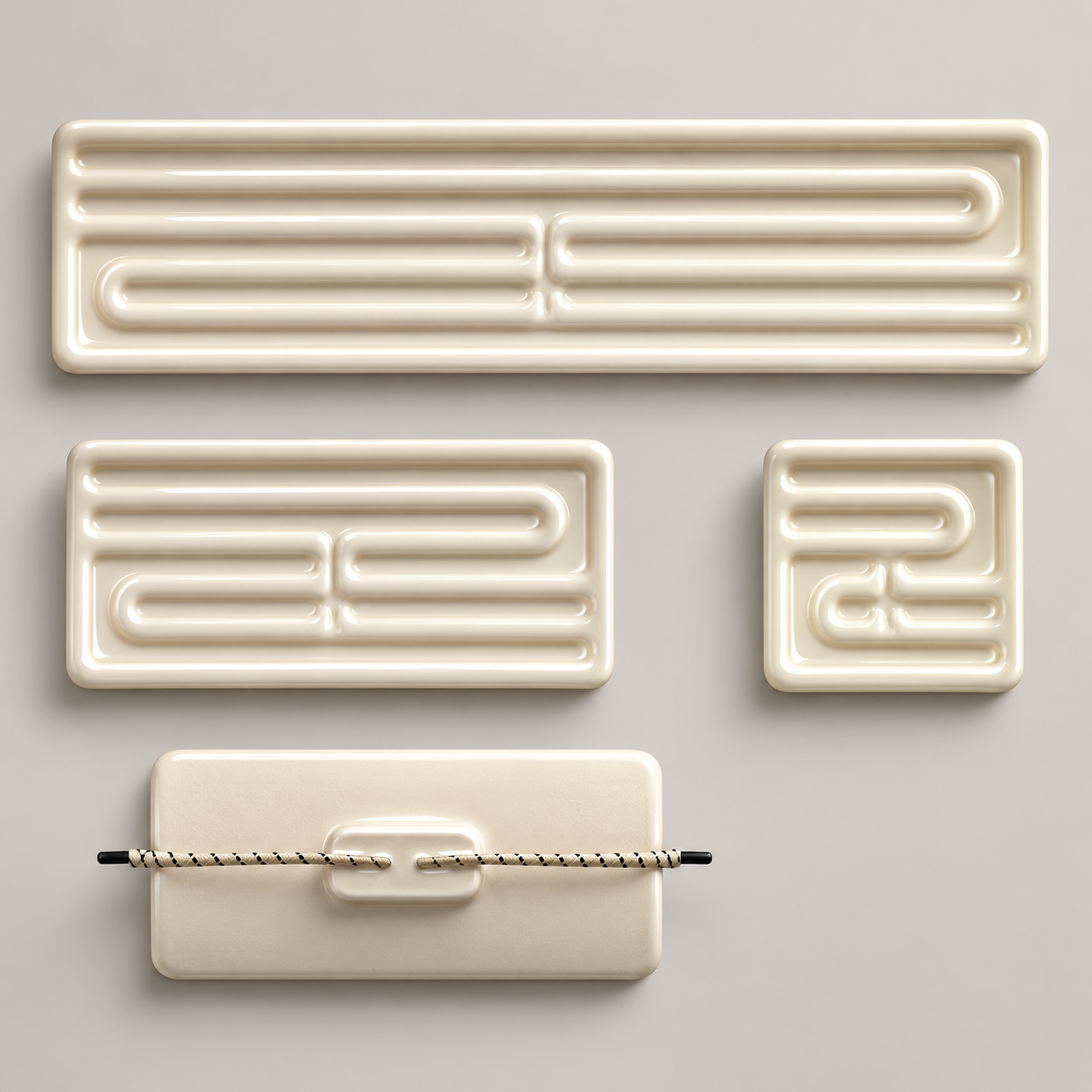 Ceramic Infrared Heaters
Radiant surface heating, thermoforming, drying and preheating.
Ceramic Infrared Heaters
Radiant surface heating, thermoforming, drying and preheating.
-
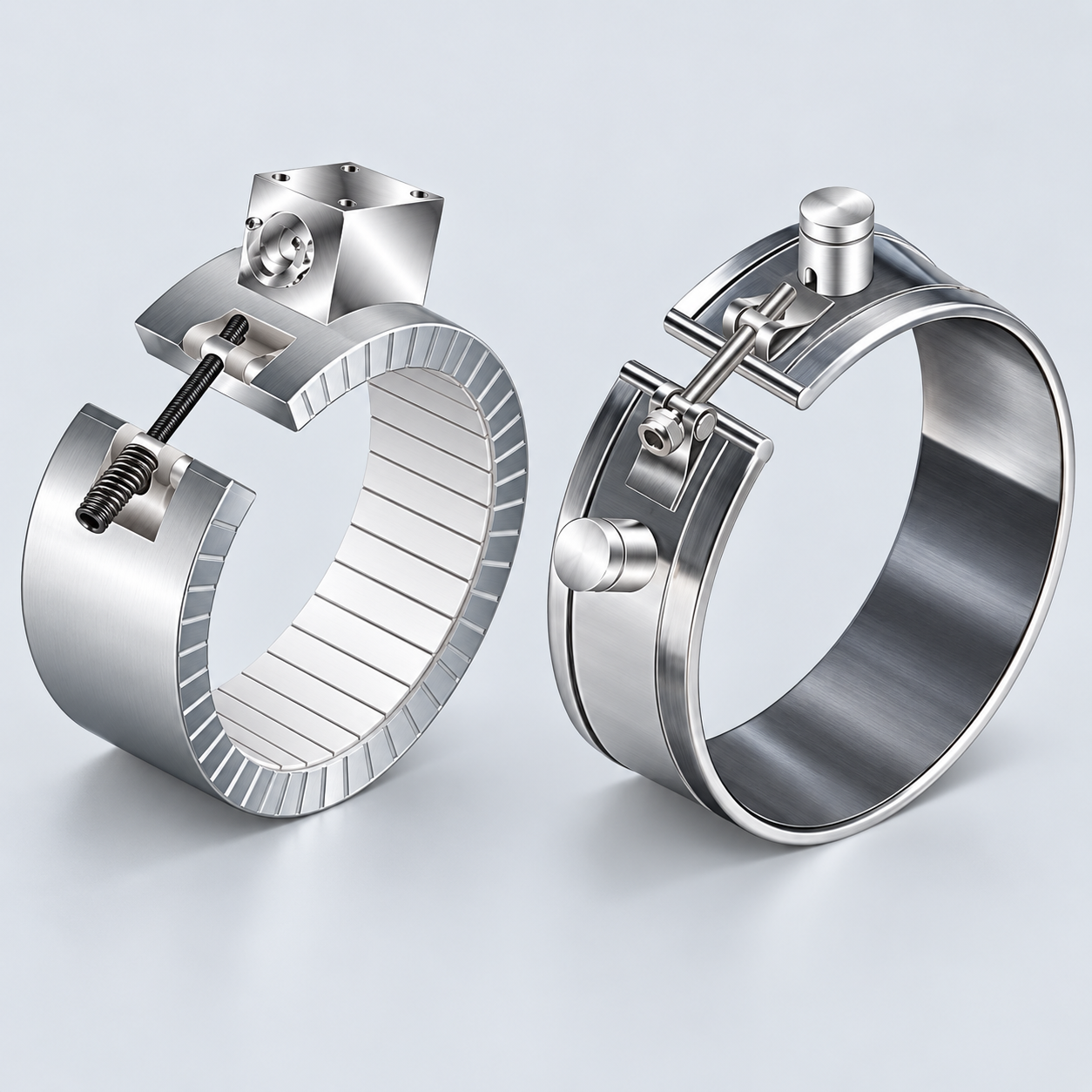 Ceramic and Mica Band and Nozzle Heaters
Barrels, cylinders, pipes and injection nozzles. One piece, split, expandable or partial coverage.
Ceramic and Mica Band and Nozzle Heaters
Barrels, cylinders, pipes and injection nozzles. One piece, split, expandable or partial coverage.
-
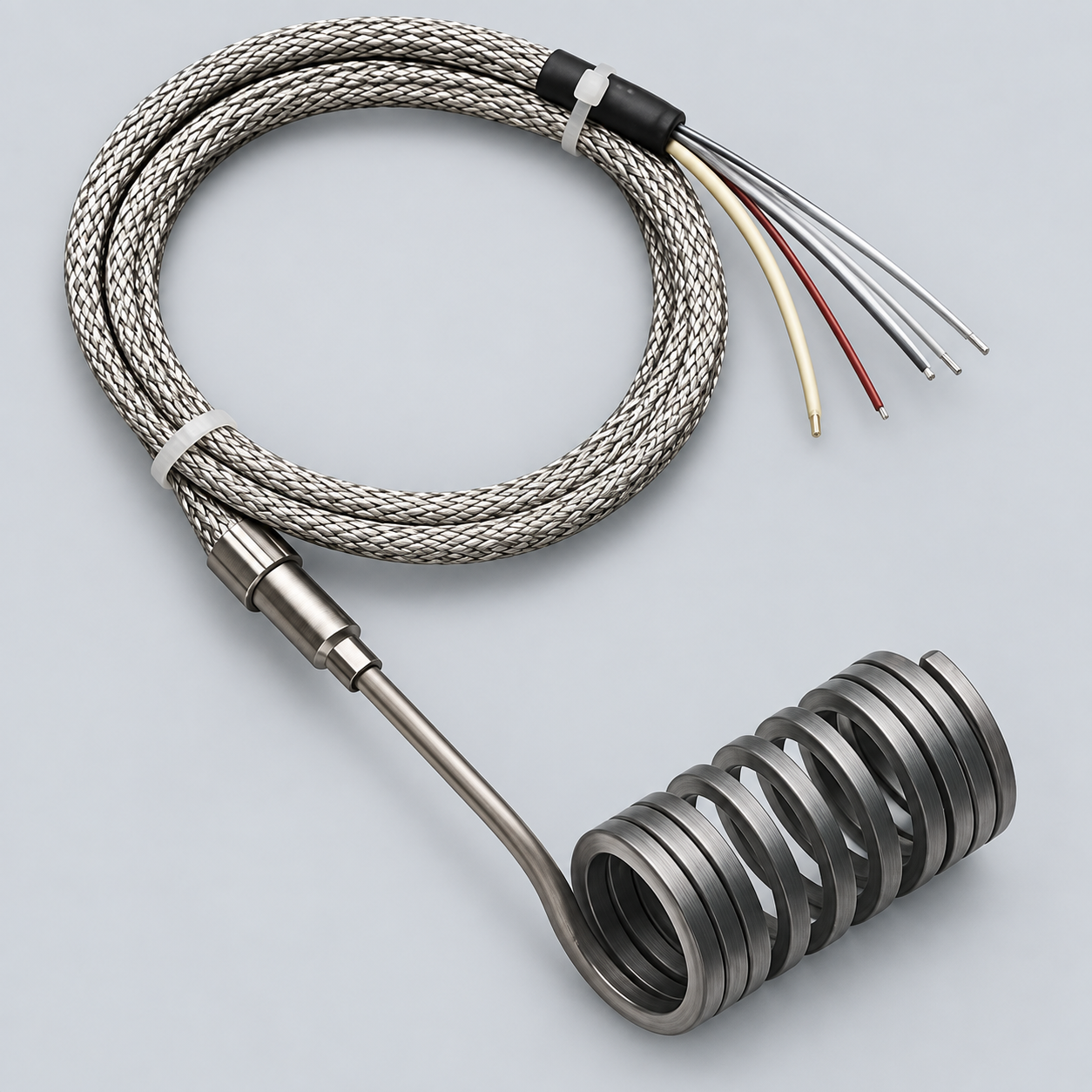 Coil Heaters
Hot runner nozzles and manifolds. Wound to the diameter, profiled along the length.
Coil Heaters
Hot runner nozzles and manifolds. Wound to the diameter, profiled along the length.
-
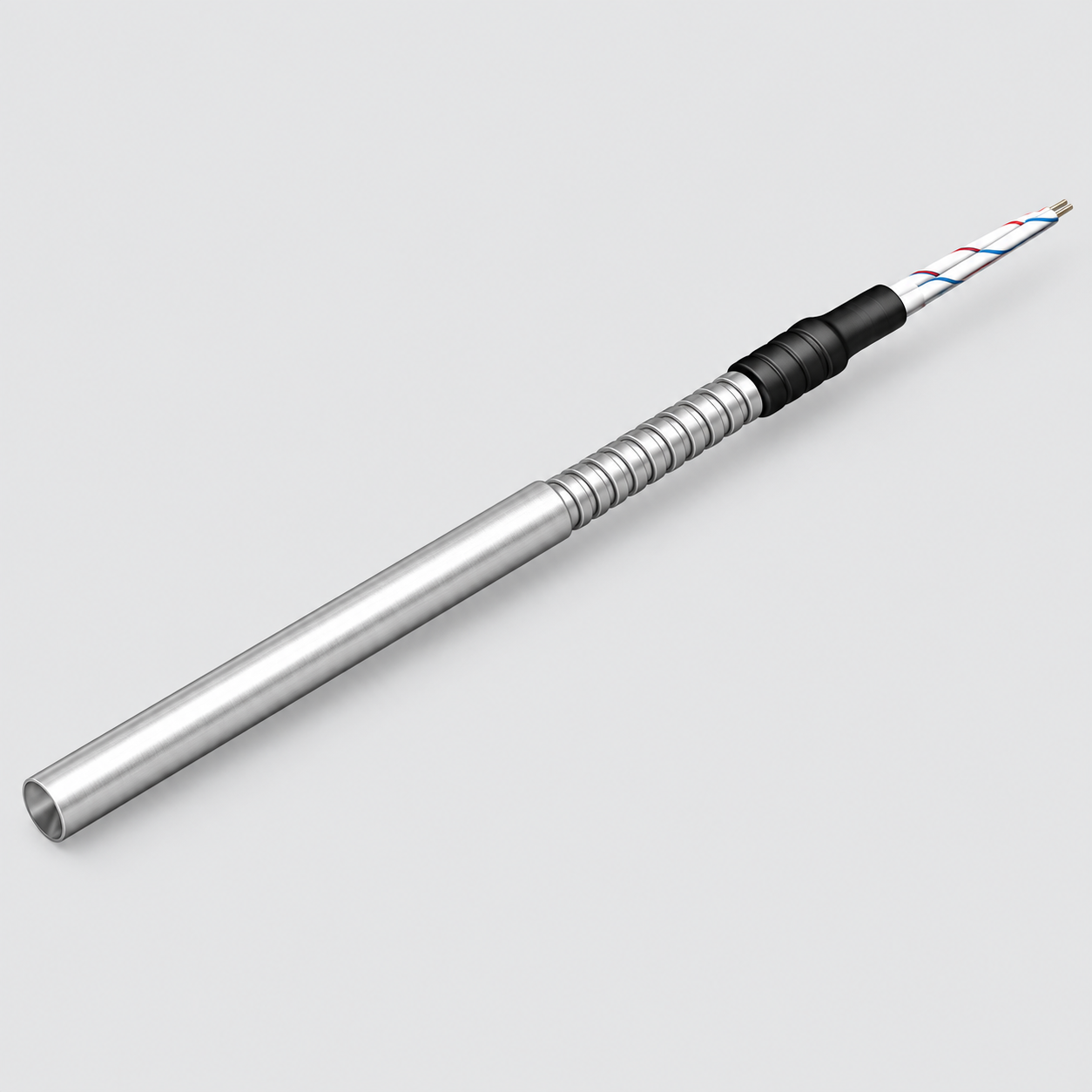 Cartridge Heaters
Bore mounted in moulds, platens and dies. Round, swaged, made to your length.
Cartridge Heaters
Bore mounted in moulds, platens and dies. Round, swaged, made to your length.
-
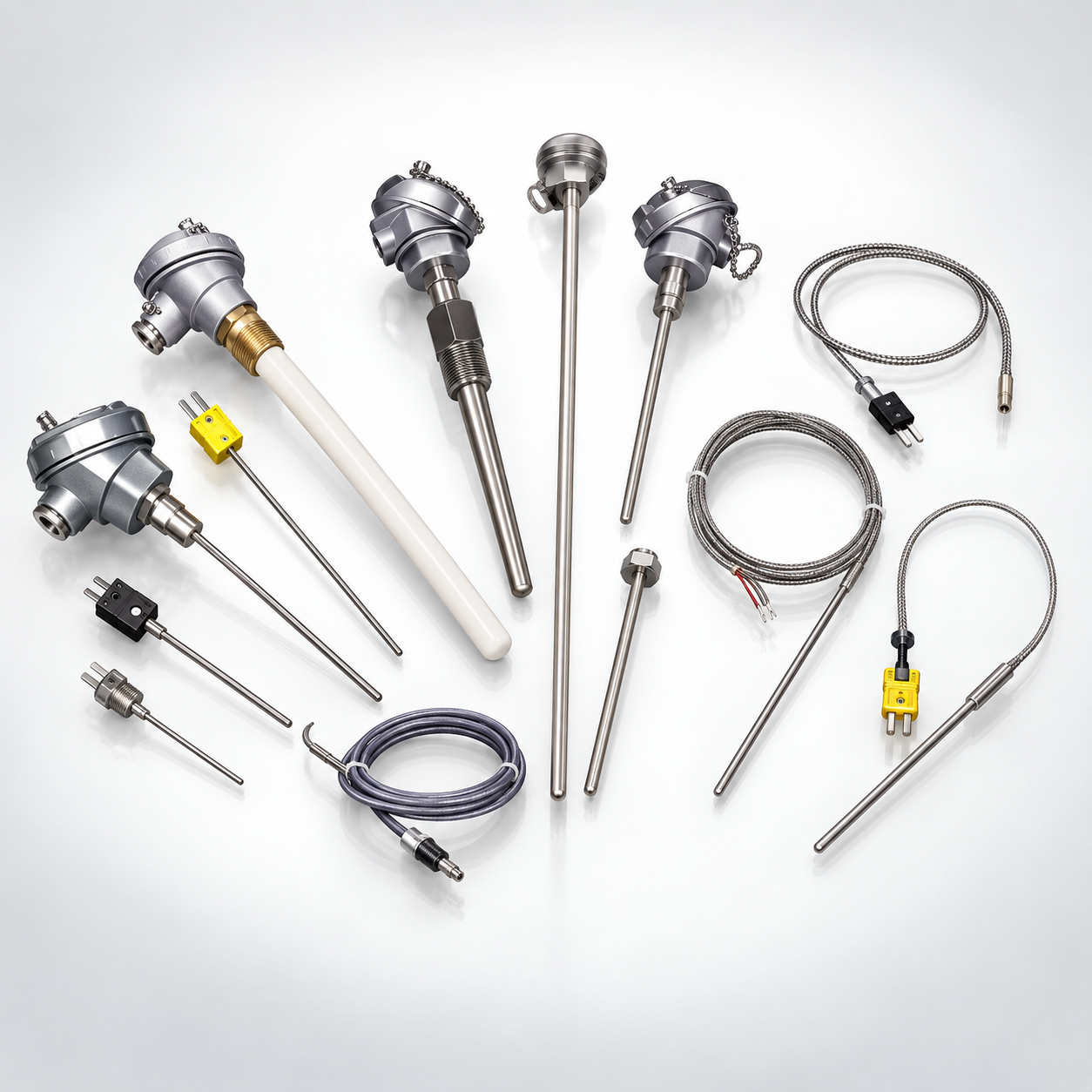 Thermocouples and Temperature Sensors
Types J, K, N, T, E, R, S, B and C, plus PT100, PT500 and PT1000 RTDs, made to length.
Thermocouples and Temperature Sensors
Types J, K, N, T, E, R, S, B and C, plus PT100, PT500 and PT1000 RTDs, made to length.
Application notes
Reheat is about intensity, not wattage
A preform passing an oven at speed absorbs what reaches its surface in the time it is in front of the element. Distance from the element to the preform matters more than the total wattage installed. Tell us the gap, the line speed and the preform material.
Parison wall thickness follows head temperature
An uneven head gives an uneven parison and a bottle with a thin spot. Coil pitch is the tool for that: more turns where the tooling steals heat, fewer where it does not.
Neck tooling runs cool and still fails
Neck tooling cartridges are low temperature and often ignored, but the bores are small and the fit is usually loose after a few changes. Send the bore diameter and tolerance.
What to send us
An enquiry with these in it can be quoted the same day. An enquiry without them takes three phone calls first.
- Process type: injection stretch blow, extrusion blow or reheat stretch blow
- Oven length, number of element positions and the distance to the preform
- Preform material and target wall temperature
- Head and die dimensions, or a drawing
- Barrel diameter and zone widths
- Neck tooling bore diameters and tolerances
A photograph of the old element next to a tape measure is worth more than a paragraph of description, and a drawing is worth more than both.
Build the list instead
If you are replacing several elements at once, the list builder walks through each one, draws it as you specify it, and produces a single printable document you can send by email or on WhatsApp.
Request a quote for blow moulding
Tell us the machine and the zone. If you are not sure which element type suits it, leave the product blank and our engineers will propose one.